
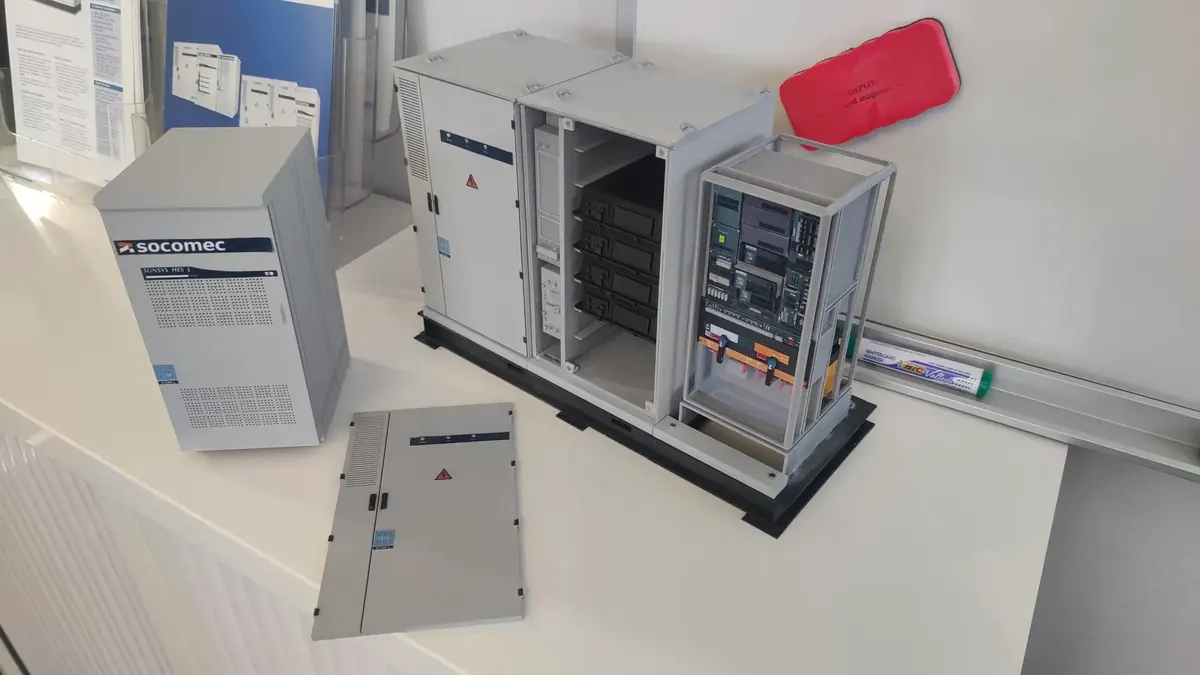
Why use 3D printing for a scale model
Gains at every stage: fast modelling, immediate visualisation, easy adjustments, accelerated production. The scale model becomes an effective tool for presentations and competitions. Beware of rescaling, though: shrinking or enlarging can make elements too thin, or even cause them to disappear during slicing.
Common difficulties in the workshop
- Unsuitable software files (SketchUp, Revit): unconnected geometries, overlapping surfaces
- Dimensions too small after rescaling: thicknesses below 0.5 mm, deleted details
- Supports impossible to remove: thin undercuts, risk of breakage
Our solutions for a successful scale model
- Clearly define the objective: role, expected fidelity, tolerances
- Adapt the file: simplify thin areas, thicken critical elements, merge small parts
- Manage the scale: full or zoomed segmented versions, from editable files
Best practices for a fine finish
- Suitable materials: PLA for tests, resin for details, PETG for strength
- Modular splitting to avoid awkward supports
- Bases and explanatory notes
In short
We turn your concepts into legible, printable scale models, thanks to technical expertise and dialogue. Have a scale-model project? Tell us about it.
See also: take it to production with our 3D prototyping. On the topic: the scale model.