← All projects Project · Nuclear

Bonding moulds for a nuclear site

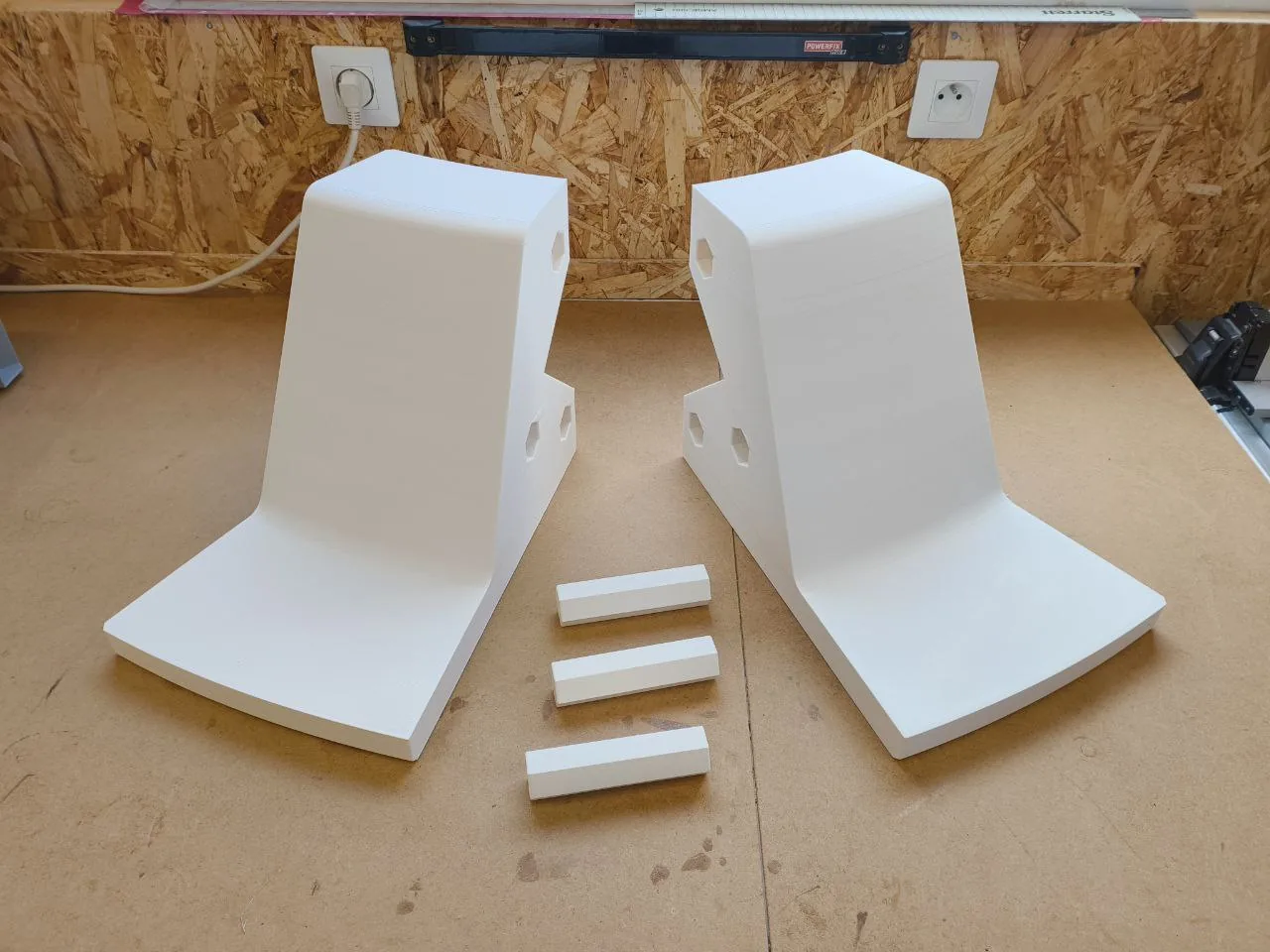
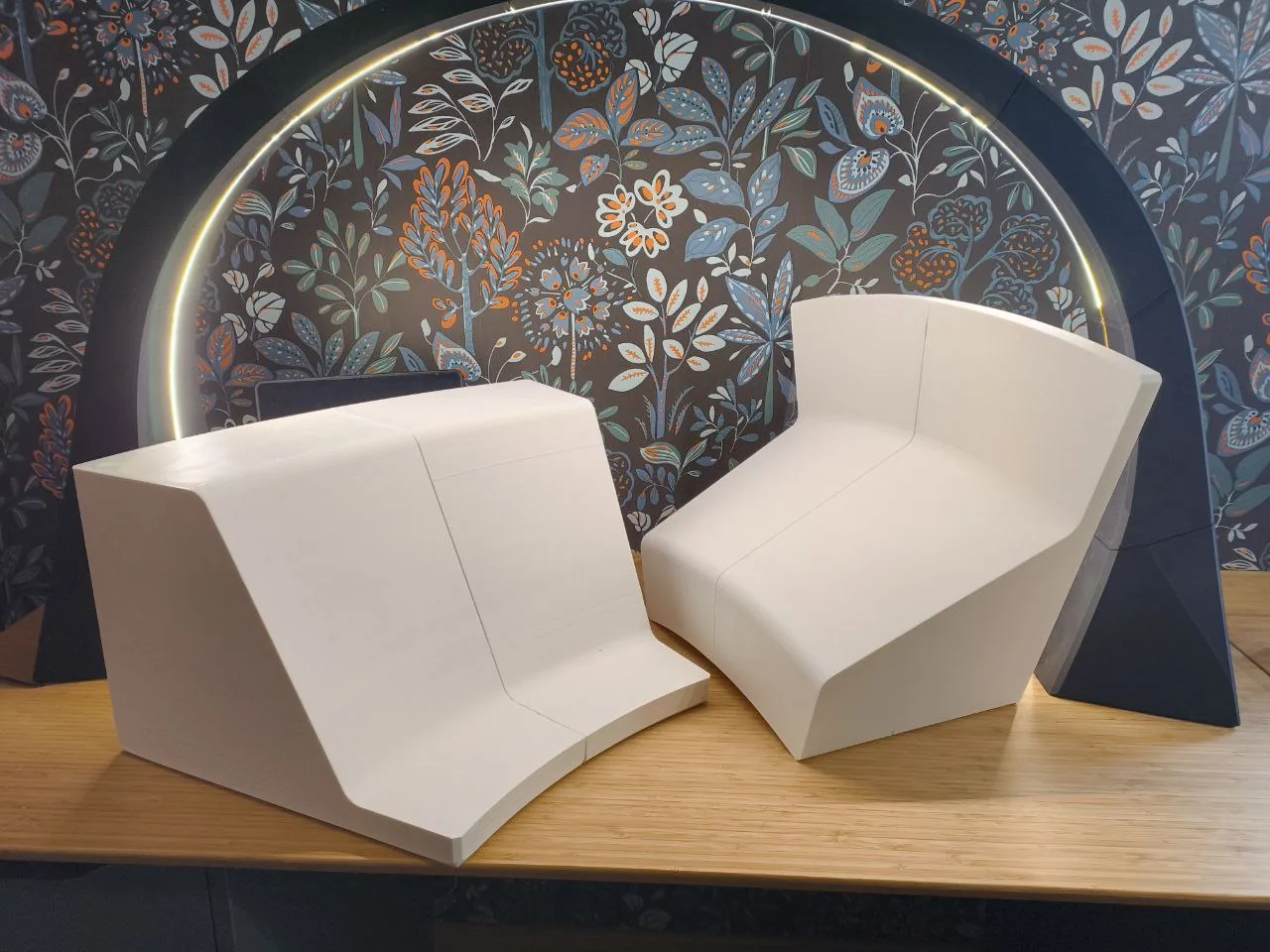
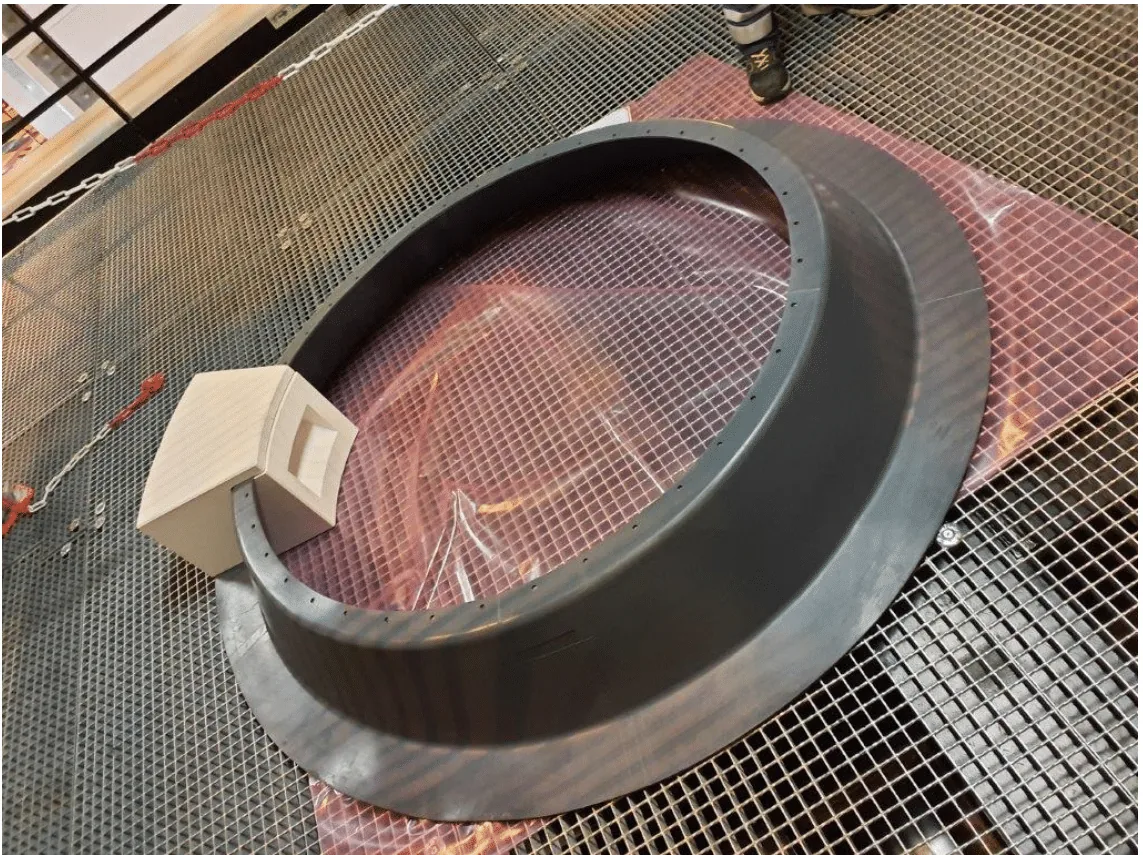
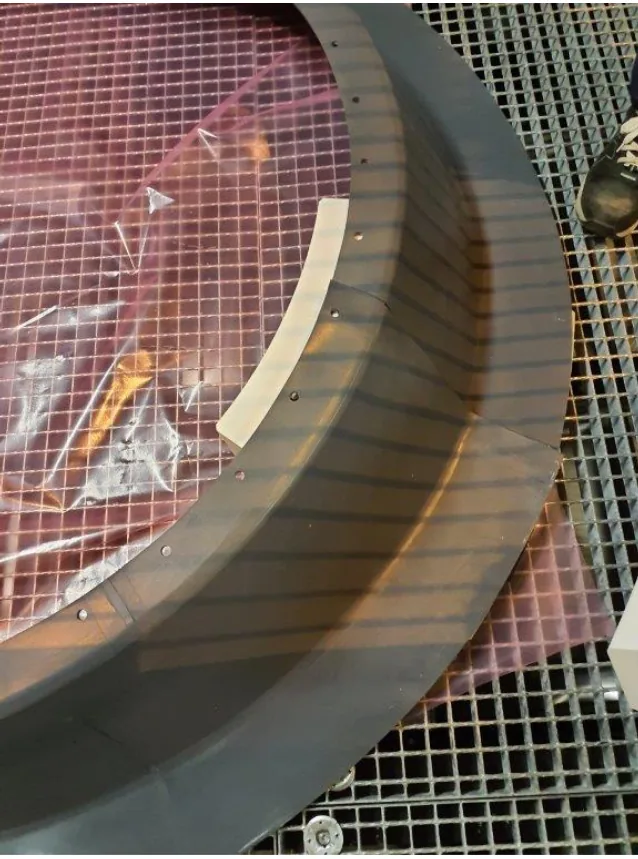
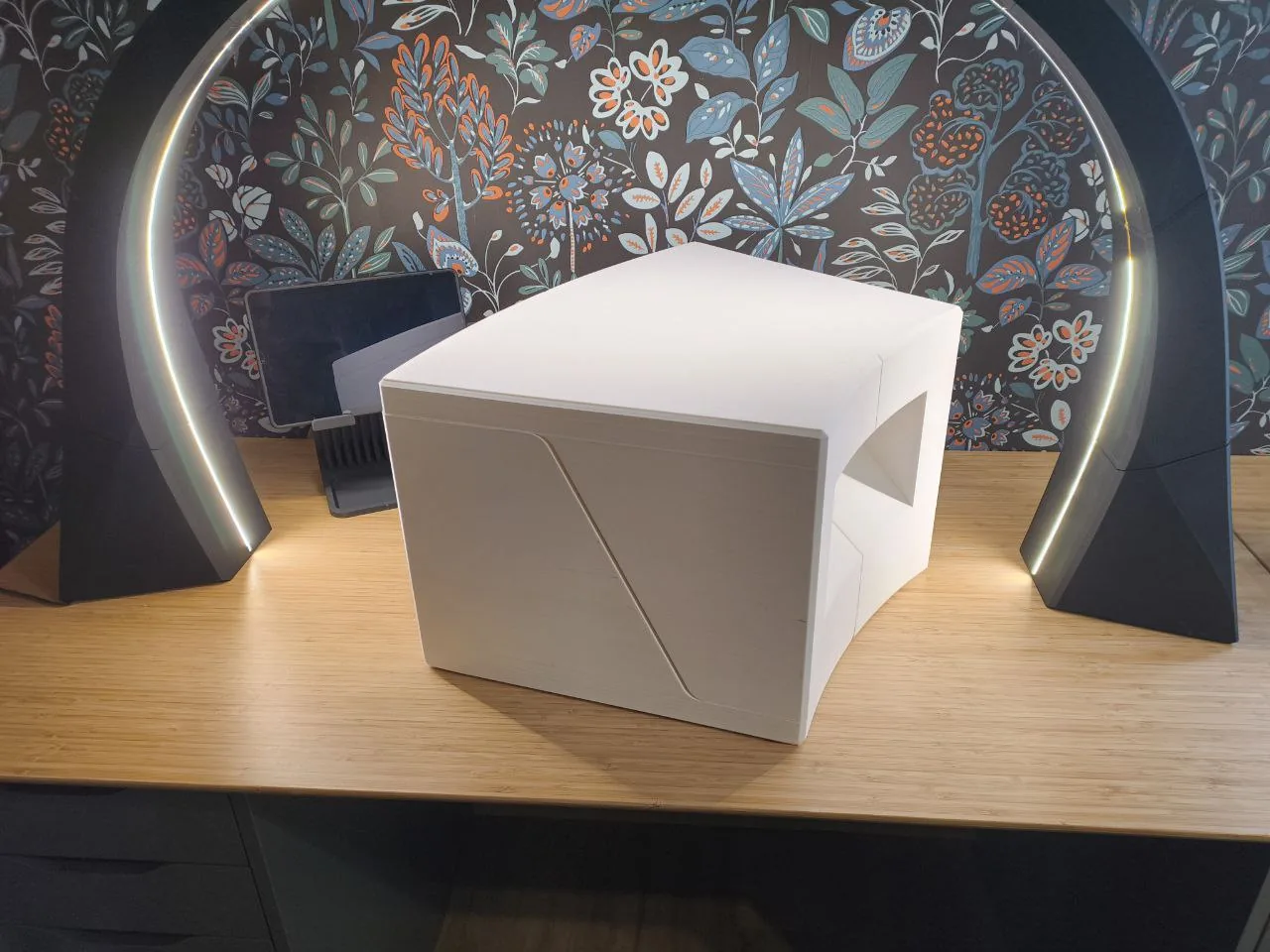
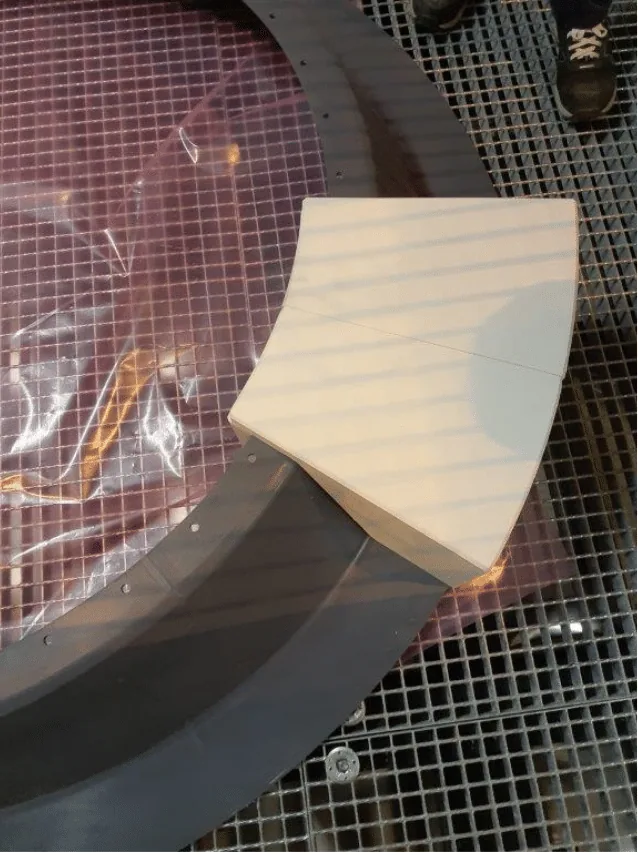
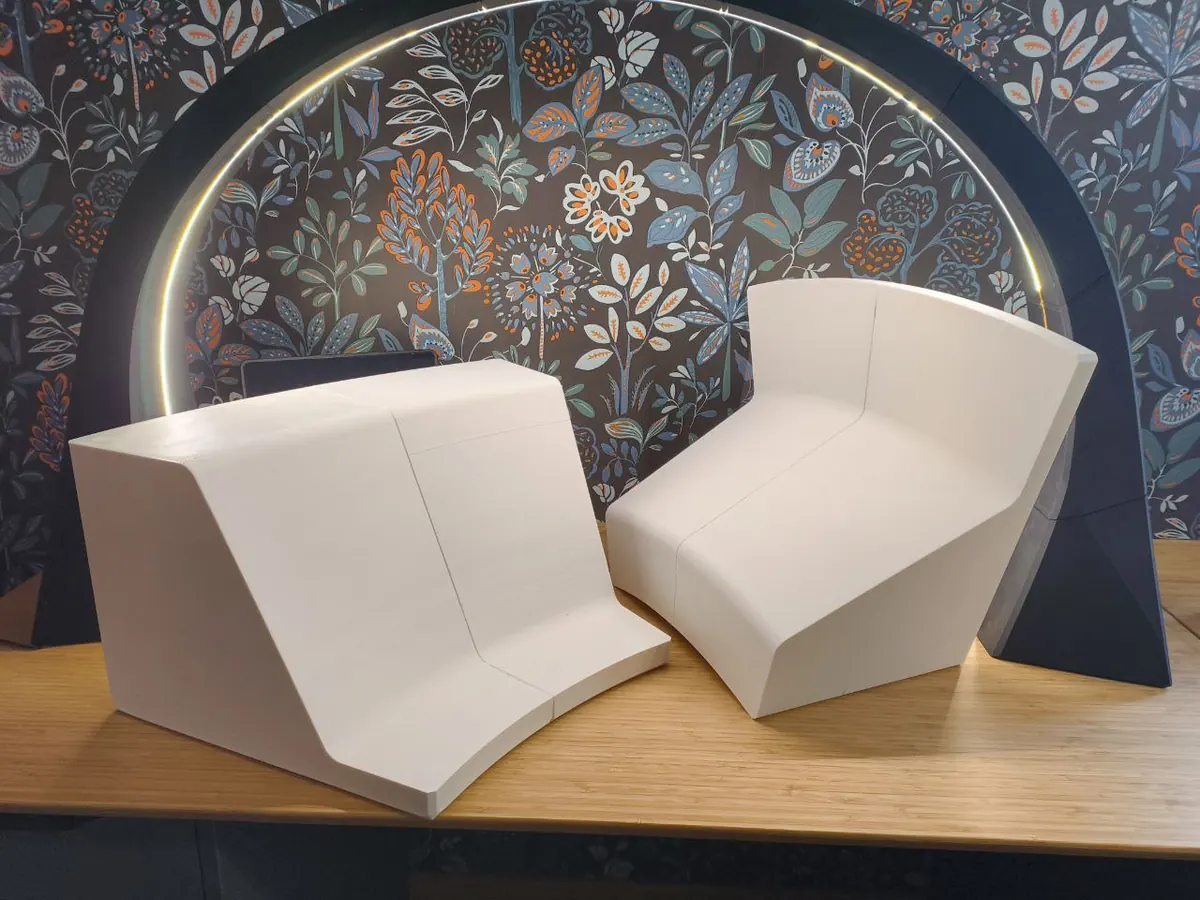
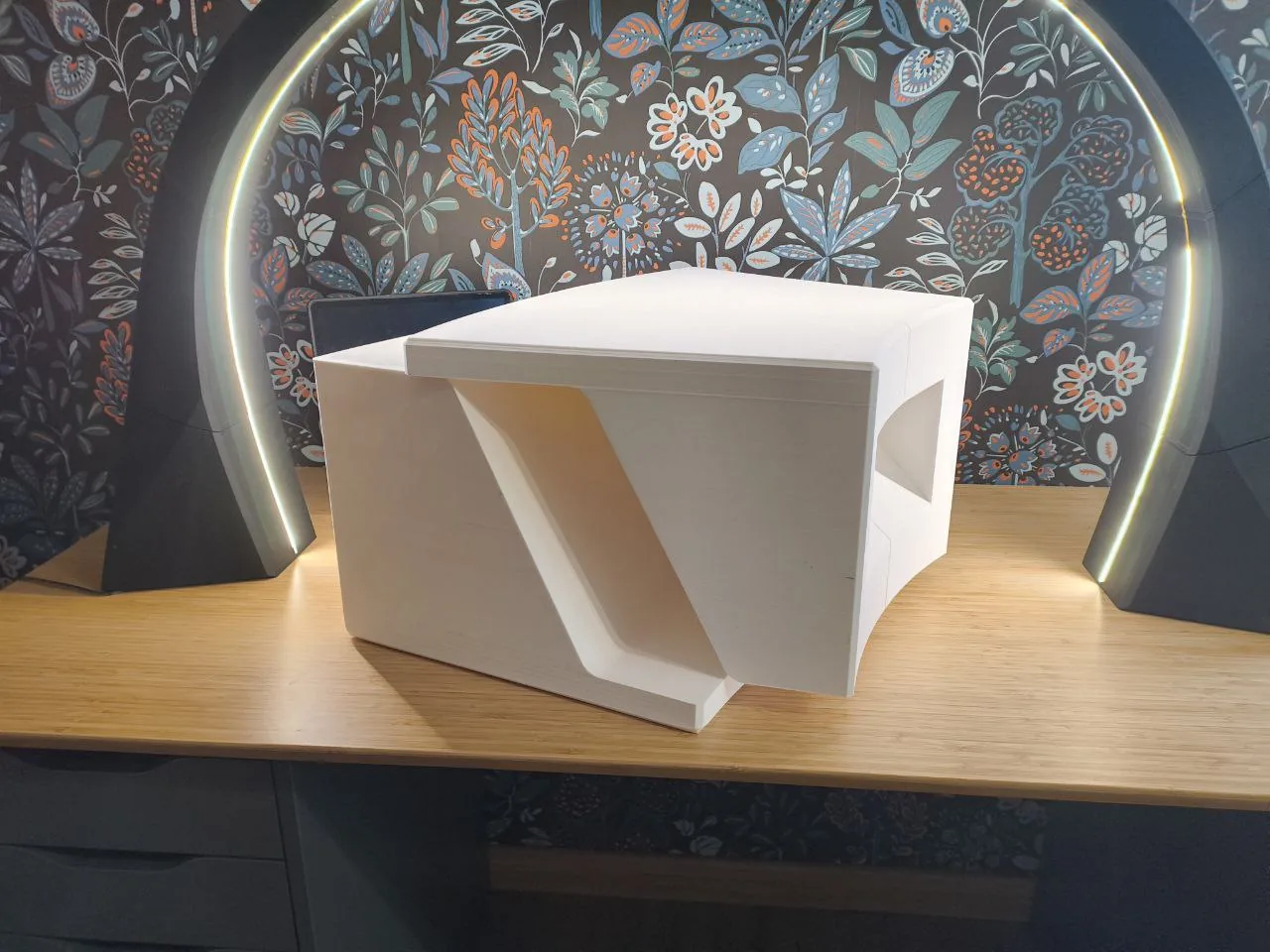
Two bespoke bonding moulds to hold a membrane in place during work on the Flamanville nuclear site — robustness required, very tight deadlines.

  • Nuclear energy
  • Prototyping
  • Large-format FDM
  • March 2025
Bonding moulds for a nuclear site
// SectorNuclear energy
// TechnologyModelling · Large-format FDM
// CompletedMarch 2025

Understanding the need: the starting point

1

The brief

As part of work on a nuclear site, EDF needed two bespoke bonding moulds to hold a membrane in place during on-site operations. These moulds had to combine robustness, precision and compatibility with the site's logistical constraints, while being designed and delivered to a very tight deadline.
The brief
2

The need

The project started from a drawing supplied by EDF, which was not directly usable for 3D printing nor suited to our machines. We therefore fully redesigned the parts based on the dimensions in the drawing, while liaising with the project manager to:

  • guarantee compatibility with the actual membrane;
  • ensure the part held firmly during bonding;
  • make assembly and on-site use easier.
The need
3

Our goal

Our main goal was to deliver a functional, sturdy mould that was simple to use on site, while respecting the constraints:

  • technical (shape, assembly, applied pressure),
  • material (print volume, available machines),
  • and human (deadline, clarity of communication with EDF).
Our goal

The highlights of the project

1

Reworking the drawing and adapting it for printing

The original file supplied by EDF was not usable as-is for reliable 3D printing. It featured:

  • complex shapes causing printing difficulties (undercuts, unsupported walls),
  • tolerances incompatible with our technologies,
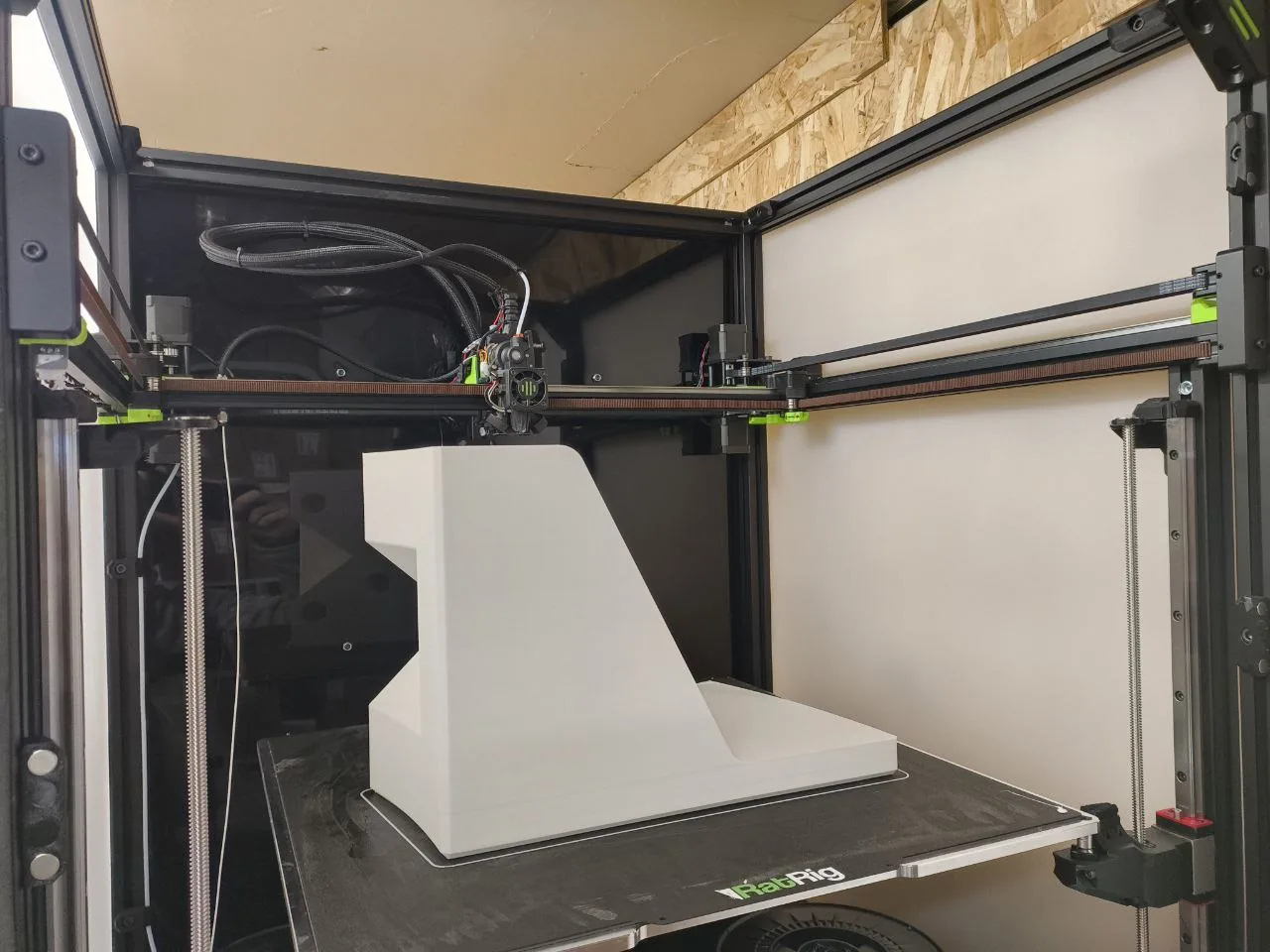
  • a geometry exceeding the maximum volume of our machines.
Reworking the drawing and adapting it for printing
2

Manufacturing and managing time constraints

The redesigned mould was then put into production. Several constraints shaped this step:

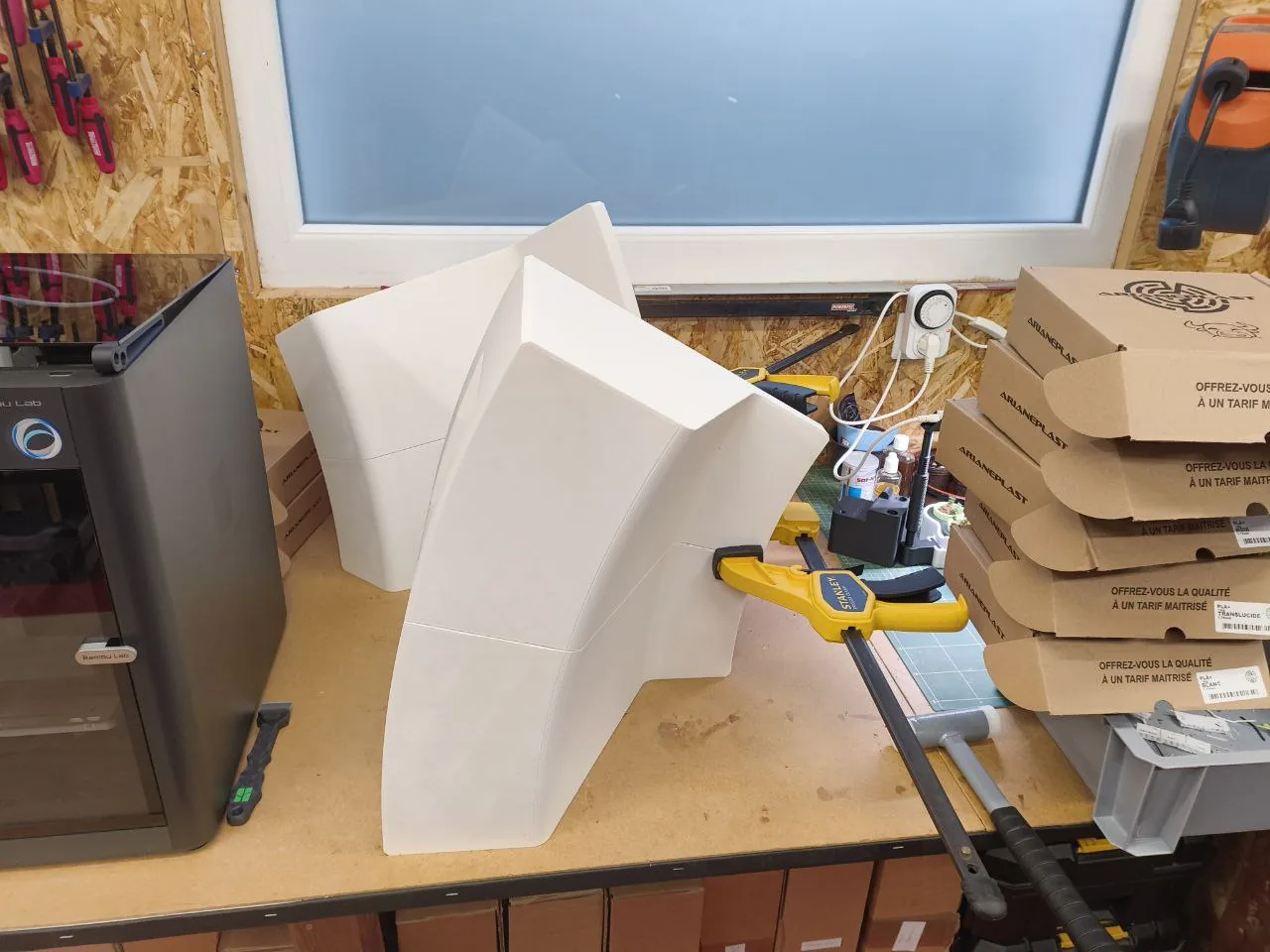
  • Very long printing time: more than 4 full days of continuous printing for all the parts of a single mould;
  • Necessary drying time: 24 hours minimum after bonding to guarantee the strength of the assemblies;
  • Strength requirement: the part had to withstand handling on a nuclear site, under demanding conditions.
Manufacturing and managing time constraints
Conclusion

Meeting the requirement, on time

Robust bonding moulds, designed and delivered fast for a nuclear site. Additive manufacturing holds up to the constraints of the most demanding environments.

In pictures

The project in pictures

Bonding moulds for a nuclear site — photo 1
Bonding moulds for a nuclear site — photo 2
Bonding moulds for a nuclear site — photo 3
Bonding moulds for a nuclear site — photo 4
Bonding moulds for a nuclear site — photo 5
Bonding moulds for a nuclear site — photo 6

A similar project to bring to life?

Tell us about your need — we'll get back to you with a recommendation and a quote.

Request a quote